Home Quest - Idle Adventure
- 4.1
- Rating
- 1.00M
- Installs
- Free
- Price

 Analysis by App-foxy
I approached Home Quest - Idle Adventure expecting a light game I could check between other tasks, and that is exactly where it makes the most sense. It is an adventure game from codeSTREAM built around gradual progress rather than constant attention. You make decisions, let the journey develop, return to collect or redirect your effort, and slowly turn a modest starting position into something more capable. That rhythm is the main attraction, but it also determines whether you will enjoy it: this is not a substitute for a fast action game or a story-heavy role-playing adventure.
The game is free to start and suitable for Everyone, with optional purchases ranging from $2.49 to $21.99 per item. It has reached over a million installs, while its average rating sits at 4.1 from roughly 21 thousand ratings and about 2.3 thousand written reviews. Those numbers suggest a sizeable audience, but they do not remove the need to understand the design. In my experience, the best results come from treating it as a routine rather than something to play continuously.
How the everyday Home Quest routine works
I find that a small, repeatable plan makes Home Quest easier to enjoy than opening it whenever I remember and tapping at random. In this section, I focus on how to make each check-in purposeful without turning a relaxed idle adventure into another chore. That routine also makes it easier to notice when a choice is genuinely useful—and when it is better to leave things alone.
You May Also Like

 Blood Strike: 2.5 Anniversary
Blood Strike’s Loadouts Turn Every Drop Into a Tactical Gamble
A close look at Blood Strike’s custom loadouts: how fast access to signature weapons reshapes its battle royale rhythm, rewards preparation, and narrows the gap between fights.

 Pandora - Music & Podcasts
Pandora’s Music Is Easy to Start, but Harder to Recover
Pandora’s strength is its low-effort path from a seed to a station. Its weak spot is how much confidence it asks you to place in connection, setup, and quiet recovery.

 8 Ball Pool
 Is Built on Rivalries, Rematches, and Routine
A close look at the rivalries, rematches, shared routines, and unanswered safety questions that turn a quick pool match into a persistent mobile community.

 Samsung Music
’s Quiet Strength Is Playing What You Already Own
Its reach comes less from spectacle than from dependable access to a personal library. That simplicity is both the app’s strongest retention engine and its ceiling.

 AccuWeather: Weather Radar
AccuWeather Review: A Quick, Clear Forecast for Everyday Decisions
For everyday plans, the best forecast is the one you can understand quickly. AccuWeather makes rain timing, radar, and local conditions easy to act on, with a few trade-offs.

 Hill Climb Racing
Why Hill Climb Racing Still Turns Crashes Into One More Run
A tiny car, a bumpy hill and one more upgrade: Hill Climb Racing keeps resurfacing because its simple chaos makes every near-miss feel personal.
More From Our News Desk



A good first session is about learning the loop
My first useful adjustment was to stop looking for a single dramatic objective. The appeal is in the repeated cycle: inspect what is available, choose the most sensible improvement, leave the game alone for a while, and return with a clearer idea of what should happen next. That makes it easy to fit around a commute, a study break, or a few quiet minutes before bed.
For a new player, I recommend resisting the urge to spend every resource immediately. Early progress feels generous because almost every action appears to improve something, but the more important skill is recognizing which upgrade supports the next step and which one only produces a small short-term gain. I found it more satisfying to pause, compare the available choices, and commit to one direction instead of scattering progress across everything.
The idle structure also changes how I judge a session. A short visit is not a failure if I only collect progress and make one sensible decision. In fact, that is often the intended use. The game works well when I open it with a purpose, such as checking accumulated rewards or preparing the next stretch of progress, rather than repeatedly refreshing it without a plan.
Where it fits into a normal day
A realistic example is a player who checks the game before leaving home, makes an upgrade choice, closes it, and returns during lunch. The second visit can be used to assess whether the earlier decision helped and then set up another period of unattended progress. In the evening, there is enough context to decide whether to continue the same path or change priorities. This is less demanding than an adventure game that expects a long uninterrupted session.
That convenience has a trade-off. If you want constant discovery, precise combat input, or a large amount of dialogue in every sitting, the idle format may feel too quiet. The game asks for patience and planning, not reflexes. I would recommend it to someone who enjoys watching a system develop over time, but I would point an action-focused player toward a more direct adventure instead.
What I would do during the opening hours
I would begin by learning the cost and benefit of each available improvement rather than trying to maximize one visible number. When a choice offers faster progress now but leaves fewer resources for a more useful later step, I would take the slower route unless I had a clear reason not to. That habit prevents the common idle-game problem of spending everything simply because it is available.
I also found it helpful to end each visit with a deliberate next action. Before closing, I would decide whether the next return should be for collecting, upgrading, or checking a new opportunity. This small routine makes the game feel less random and reduces the temptation to tap through menus without understanding the result.
Settings and controls worth checking early
There is no reason to treat settings as an afterthought in a game designed for repeated visits. I would check the available audio and notification controls before settling into a routine, especially if the phone is shared with work, school, or family time. Keeping the game quiet when I am using it in public makes the experience less intrusive, while enabling only the alerts I actually want helps preserve the relaxed nature of the loop.
I would also review how the game behaves when I return after time away. Idle games can encourage automatic tapping, but the better approach is to understand what the screen is showing before confirming a choice. If a setting changes visual effects or sound, lowering unnecessary distractions can make quick check-ins clearer and less tiring.
Another practical habit is to use the device’s normal app-management tools responsibly. If the game seems slow after a long stretch of use, closing other demanding apps and reopening it is a sensible first step. I would not treat repeated force-closing as a strategy, though. The value of Home Quest comes from its ordinary progress cycle, not from trying to manipulate the phone’s background behavior.
Why short visits work better than constant checking
The temptation with an idle game is to return every few minutes, but that can turn a calm design into a tedious chore. I got more from it when I grouped my visits around natural breaks. A morning check, a midday check, and an evening check are easier to maintain than hovering over the game all day. The exact schedule is less important than having a repeatable pattern.
This also helps with spending decisions. When I give myself time between sessions, I can tell whether I genuinely need an improvement or whether I am simply reacting to the desire for faster progress. Optional purchases can make that distinction important. Since the game is free to start, I would play long enough to understand the ordinary pace before considering any purchase.
Building faster patterns without rushing
Experienced play in this kind of adventure is mostly about reducing wasted decisions. I would enter with a short checklist: collect what has accumulated, inspect the most meaningful available improvement, compare its cost with the next likely goal, and leave once the useful action is complete. That is faster than opening every screen repeatedly and gives each visit a clear purpose.
A second pattern is to separate progress into phases. During one phase, I would prioritize the change that helps the next return feel stronger. During another, I would save toward a larger improvement instead of accepting every small option. The right balance depends on what is currently available, so I would not follow a rigid formula. The useful principle is to avoid spending automatically.
I also prefer making one major adjustment at a time. If several things change together, it becomes difficult to know which decision improved the experience. By changing one priority and observing the next cycle, I can learn the game’s economy more reliably. This is a simple approach, but it gives the idle format more depth than merely waiting for numbers to rise.
Using the game as a low-pressure background hobby
Home Quest is at its best when it occupies a small space in my day. I can play it while waiting for an appointment or during a break without needing headphones, a large block of time, or complete concentration. The Everyone age rating also makes it an approachable choice for households looking for a mild adventure game, although younger players may still need guidance around optional purchases.
For adults who already have a demanding main game, this works as a secondary hobby. It does not compete for the same attention as a competitive title. I can make progress here after finishing a more intense game, then leave it alone. That contrast is one of its strongest practical advantages.
Where the idle format starts to show its limits
The same design that makes the game convenient can make it feel repetitive. If the satisfaction of an adventure comes from direct control, detailed exploration, or frequent surprises, waiting for progress will not replace those experiences. The game’s gradual structure can also make a session feel thin when there is no meaningful decision ready to make.
I would also be cautious about expecting the free version to feel equally comfortable for every type of player. The presence of optional purchases does not make the game unsuitable, but it does mean I would keep a personal spending limit and avoid buying simply to remove impatience. Players who dislike any monetized acceleration may prefer a paid adventure with a more fixed progression model.
Comparing it with more traditional adventure games
Compared with a conventional adventure game, Home Quest asks for less moment-to-moment input and offers more continuity between visits. A traditional title is usually better when I want a defined story, active challenges, or a strong sense of place during a single sitting. This game is better when I want progress that remains easy to resume.
Compared with a pure idle clicker, its adventure framing gives my decisions more context. I am not only watching a counter; I am trying to guide a gradual journey and decide how to use limited opportunities. Still, anyone seeking deep tactical control should keep expectations realistic. The game’s strength is the balance between light planning and low attention, not the complexity of a full strategy role-playing game.
Advanced habits and the boundaries of optimization
One useful advanced habit is keeping a simple mental record of why I chose an improvement. If the next visit feels weaker than expected, I can review the decision instead of randomly changing everything. This turns each return into a small experiment: choose a priority, allow the cycle to run, and judge the result. It is a better way to learn than copying a supposed perfect route.
Another is knowing when not to optimize. If I am opening the game only to make a tiny adjustment, the time spent thinking may be worth more than the benefit. The idle structure is supposed to reduce pressure, so I would accept a merely good choice when I am busy. Saving detailed comparisons for longer sessions keeps the game enjoyable.
There is also a limit to what settings and habits can accomplish. They can make visits cleaner and more consistent, but they cannot turn a gradual adventure into a fast-paced one. They cannot remove the need to wait, and they cannot guarantee that every return will contain a major development. That boundary matters for anyone deciding whether the game matches their preferred tempo.
Who should install it and who should skip it
I would recommend Home Quest to players who enjoy incremental progress, brief check-ins, and decisions that remain understandable without demanding constant concentration. It is especially suitable as a second game on a phone: something to revisit during spare moments while a larger adventure or competitive game remains the main event.
I would skip it if I need immediate action, a strong narrative hook, or a clear ending within each session. I would also avoid it if optional purchases are likely to make me feel pressured, even though the game can be started for free. In that situation, a self-contained adventure with a fixed price may be a better fit.
My verdict after settling into the routine
After using Home Quest - Idle Adventure as a repeat-visit game rather than forcing it into long sessions, I found its design easier to appreciate. The best experience comes from setting a sensible priority, leaving the game alone, and returning with enough patience to make one informed choice. Its appeal is quiet and cumulative, not flashy.
The current version is 5.1.16, and the game has been available since June 2, 2020. Those details place it in the category of an established mobile title rather than a brand-new experiment. My final recommendation is straightforward: try it if you want a free adventure that respects short sessions and gradual progress, but choose a traditional adventure if you want direct control and constant activity. The winning strategy is consistency, not nonstop tapping.
FAQs for Home Quest - Idle Adventure
01What is Home Quest - Idle Adventure about?
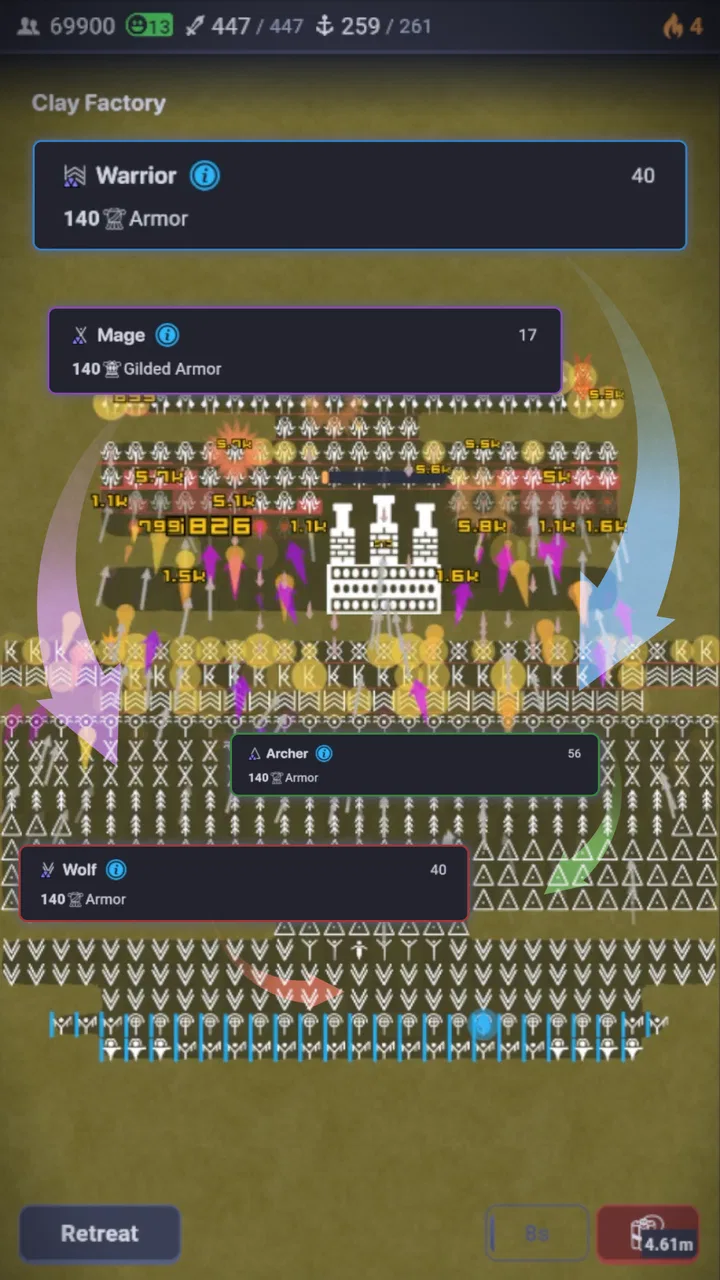
Home Quest - Idle Adventure is a strategy and resource-management game where you guide a small settlement through exploration, gathering, crafting, construction, and combat. You gradually expand your community, unlock new technologies, and send units on adventures. Its idle systems allow progress to continue while you are away, although active decisions are still useful when managing resources and preparing for tougher encounters.
02Does Home Quest - Idle Adventure require an internet connection?
The game is designed to be playable for much of its core progression without a constant internet connection, which makes it convenient for short sessions or travel. However, certain features may depend on connectivity, including advertisements, cloud-related services, updates, or other online functions. Availability can also vary by device and version, so it is best to launch the game online after installation.
03Is Home Quest - Idle Adventure free to download and play?
Home Quest - Idle Adventure can generally be downloaded for free, but the free experience may include optional in-app purchases and advertising. Purchases can help accelerate progress or provide convenience, while normal gameplay focuses on earning resources and improving the settlement over time. You should review the store listing and payment settings before downloading, especially if children use the device.
04Is Home Quest - Idle Adventure suitable for beginners?
Yes, the game is relatively approachable for newcomers to idle and settlement-management games. Early objectives introduce gathering, building, upgrading, and combat in manageable steps, so you can learn the main systems without being overwhelmed immediately. Later stages require more planning, particularly when balancing workers, resources, upgrades, and expedition preparation, but the gradual progression makes the learning curve comfortable.
05What are the main strengths and possible drawbacks of Home Quest - Idle Adventure?
The main strengths are its relaxed idle progression, straightforward resource management, settlement expansion, and a satisfying sense of long-term improvement. It works well for players who enjoy checking in regularly rather than playing continuously. On the other hand, progress can feel slower during later stages, repeated tasks may become familiar, and players who prefer fast action or highly complex strategy may find the gameplay somewhat simple.
Pros
- Idle progress lets you advance even when you are not actively playing.
- Resource management and settlement building offer satisfying long-term goals.
- Pixel-art visuals are charming
- clear
- and lightweight on most devices.
- Combat is simple to learn
- making the game accessible to casual players.
- Regular upgrades provide a steady sense of progression and achievement.
Cons
- Progress can feel slow without waiting or returning frequently to collect rewards.
- Limited active combat may disappoint players seeking strategic battles.
- Repeated tasks and resource gathering can become monotonous over time.
- Some upgrades require substantial resources
- encouraging extended grinding.
- The small pixel-art interface may be difficult to read on smaller screens.

Home Quest - Idle Adventure
Gallery